
Subtle Signals, Stronger Routines at Home
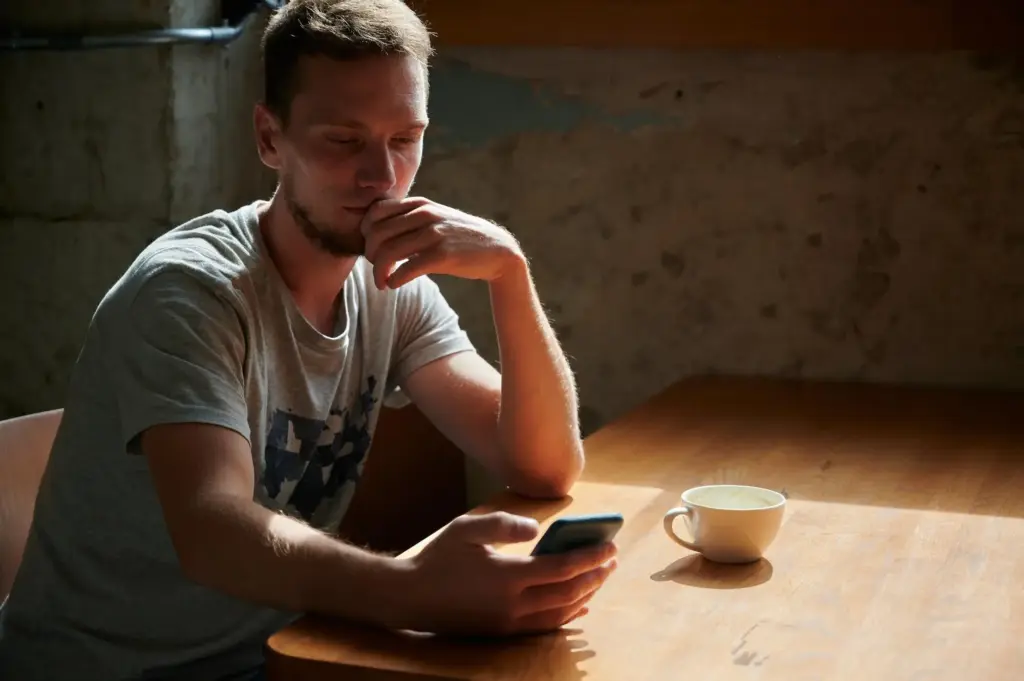
Join us as we explore nudging healthier habits through home environment cues, transforming ordinary rooms into gentle guides that simplify better choices. By adjusting visibility, defaults, lighting, and tiny bits of friction, everyday decisions lean healthier without lectures or guilt. Expect practical experiments, science-backed insights, and relatable stories that make consistency feel easy, humane, and surprisingly enjoyable across kitchens, bedrooms, and shared spaces. Share your setup or questions to spark ideas for others and keep the conversation going.

Designing Spaces That Nudge Without Nagging
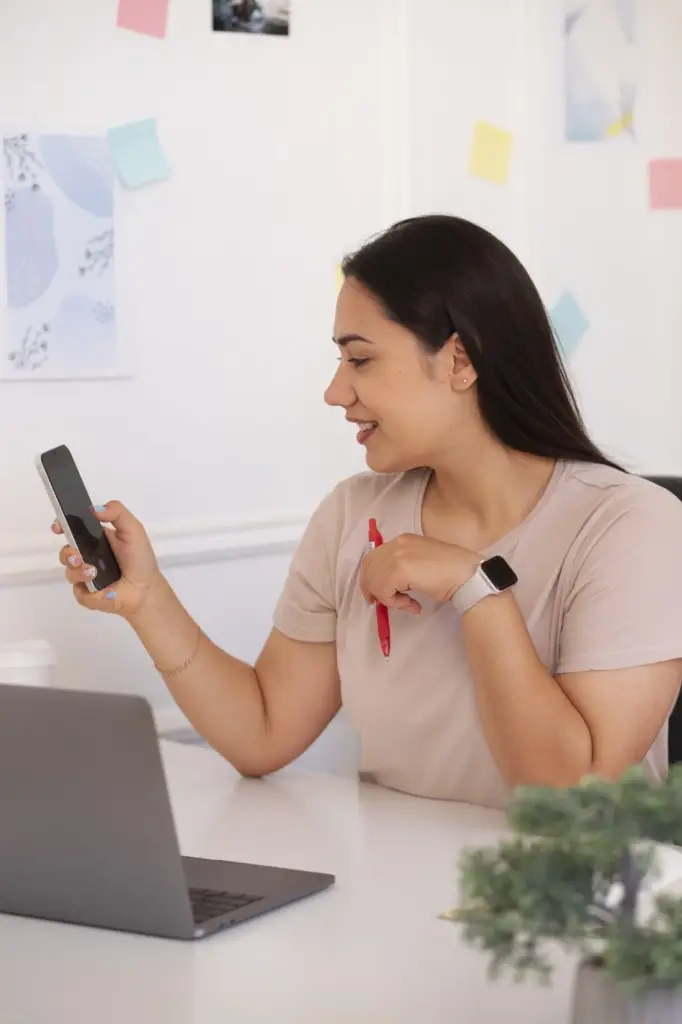
Choice architecture begins at your doorway, pantry, desk, and sink, quietly shaping options long before motivation joins the conversation. Make healthful actions visible, convenient, and attractive, while placing speed bumps before less-helpful defaults. When Maya moved fruit bowls to eye level and tucked sweets deeper, her family doubled daily produce without a single lecture, proving arrangement beats argument.

Morning Momentum: Start Strong Before Willpower Wakes Up

Morning routines thrive when helpful signals appear before fatigue and decision overload. Lay out clothes, pack a vibrant breakfast, and schedule light to arrive like a gentle tap on the shoulder. By removing morning puzzles, movement and nourishment happen almost automatically, even for night owls recovering from snooze-button habits.

Night-Before Cues

Put the kettle with a teabag ready, sneakers by the door, and a blender jar preloaded with frozen fruit. These night-before setups act like allies greeting your sleepy self, replacing excuses with momentum before your inner negotiator fully wakes up and talks you out of progress.

Light, Temperature, and Scent

Program warm light to fade in, set the thermostat modestly cooler, and choose a calming citrus or mint scent. Multisensory cues rouse energy gently, reduce grogginess, and attach pleasant feelings to early rituals, reinforcing tomorrow’s repetition through comfort rather than pressure or noisy alarms.

Breakfast Choreography

Place oats near the coffee, fruit beside bowls, and a visible protein option on the top shelf. Positioning turns breakfast into a short sequence you can follow half-awake, ensuring steadier energy through the morning and fewer impulsive sugar grabs later in the day.
Kitchen Psychology: Eating Better by Rearranging, Not Restricting

Food decisions respond strongly to layout, color, and reachability. Instead of strict rules, reorganize cupboards and the fridge so nourishing choices greet you first and portions feel right-sized. People eat less from smaller plates and clear containers help you spot produce before it wilts.

Movement on Autopilot: Build Activity Into Ordinary Moments

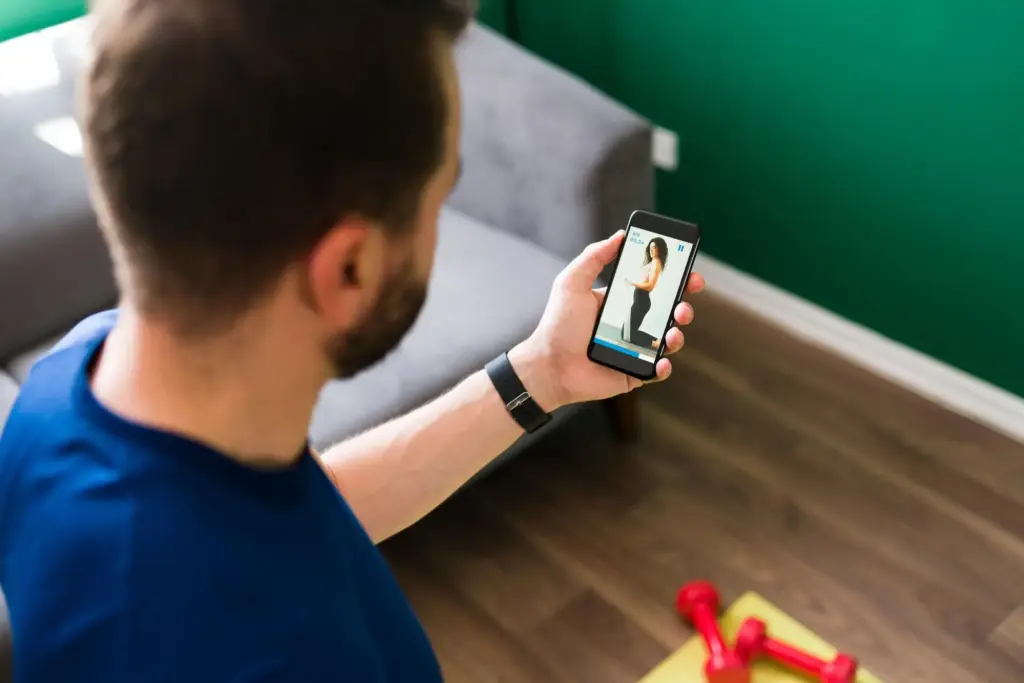
Activity thrives when tools are visible, distances are walkable, and transitions invite movement instead of sitting. Hang resistance bands near doors, store dumbbells beside the couch, and map short walking loops from your kitchen timer. Little sparks across the day accumulate into meaningful stamina.

Digital Cues Done Right: Helpful Tech, Quiet Mind

Technology can prompt helpful choices when tuned to context, frequency, and tone. Replace nagging alarms with supportive reminders linked to actual routines, automate grocery lists for staples, and reduce clicks toward healthful defaults. Let devices serve attention, not scatter it across endless pings.

Shared Homes, Shared Signals: Co-Design for Lasting Change
Signals work best when housemates collaborate. Agree on shared placements, celebrate progress visibly, and keep nudges kind, playful, and optional. When cues reflect everyone’s input and priorities, they feel respectful rather than controlling, inviting ownership that sustains consistency through busy seasons and changing schedules.
Nexosentofexopalorino
Privacy Overview

This website uses cookies so that we can provide you with the best user experience possible. Cookie information is stored in your browser and performs functions such as recognising you when you return to our website and helping our team to understand which sections of the website you find most interesting and useful.